Origin
Indonesia
Green coffee / year
807,578 t’24
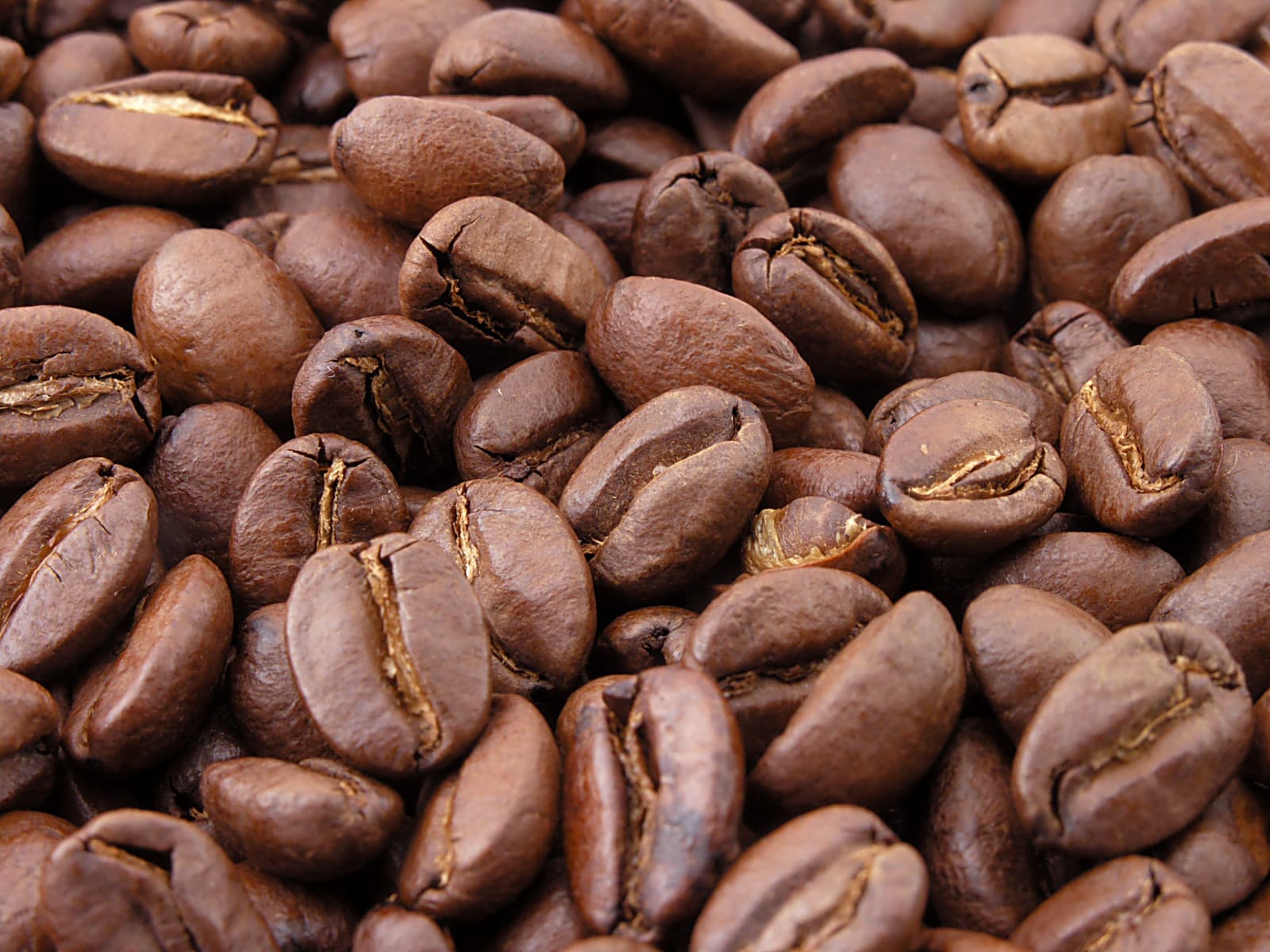
Indonesia is a coffee country stretched across thousands of volcanic islands, and it grows both of the plants that matter: fine high-grown arabica on the mountains and a great tide of robusta on the lowlands. Roughly a quarter of the crop is arabica, the rest robusta, and that mix has shaped a national cup unlike anywhere else. The classic Sumatra profile is the one most people picture: heavy bodied, low in acidity, earthy and savoury with notes of cedar, tobacco and dark chocolate. It is one of the oldest coffee origins outside Africa and Arabia, and it still ranks among the largest producers in the world.
The story begins with the Dutch. The Dutch East India Company carried arabica seedlings from Yemen to Java in the 1690s and planted them around Batavia, and the first sacks reached Europe soon after. Java grew so famous that its name became a word for the drink itself, which is why a cup of coffee is still a cup of java. Under the colonial Cultivation System of the nineteenth century, Javanese farmers were forced to hand over a share of their land and labour to export crops like coffee, a system so harsh it inspired the novel Max Havelaar and helped turn opinion against colonial rule.
Disaster reshaped the industry in the 1880s, when coffee leaf rust swept through the islands and destroyed most of the lowland arabica. Growers replanted the hardier robusta at lower elevations, and it remains the backbone of production today. Sumatra also developed its own processing method, giling basah, or wet hulling, in which the beans are hulled while still damp. That technique, born of a humid climate with little room to dry slowly, gives Sumatran coffee its deep body, muted acidity and unmistakable earthy character.
Each island now carries its own signature. Sumatra is earthy and full. Java is cleaner and more herbal from its old plateau estates. Sulawesi, home to the Toraja highlands, sits in between with a syrupy body and gentle spice. Bali and Flores grow bright, fruit-forward arabica at altitude, and remote Papua adds shade-grown coffee from some of the least developed farmland on earth.
Production since 2000
Regions
10 in the dex
Bajawa (Flores)
- Altitude
- 1,000–1,500 m
- Harvest
- May · Jun · Jul · Aug · Sep
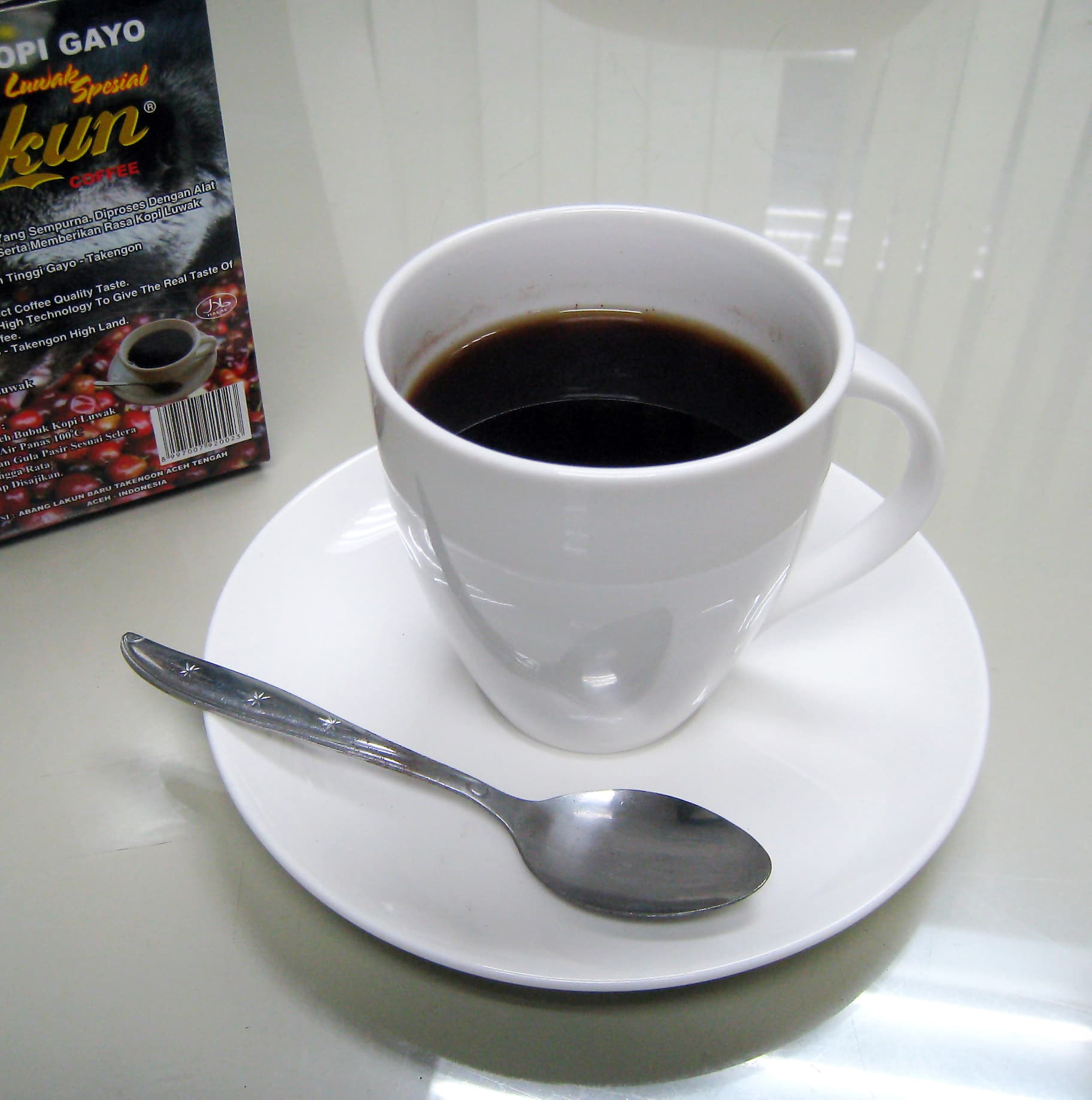
Gayo (Aceh)
- Altitude
- 1,100–1,600 m
- Harvest
- Jan · Feb · Mar · Oct · Nov · Dec
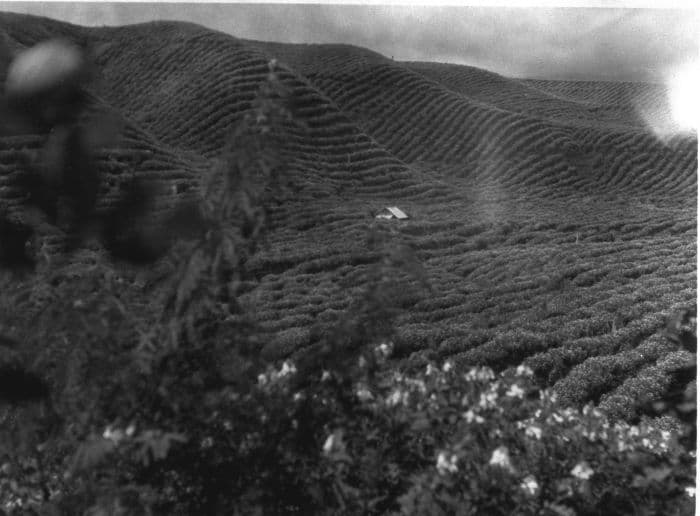
Java
- Altitude
- 1,400–1,800 m
- Harvest
- Jun · Jul · Aug · Sep · Oct
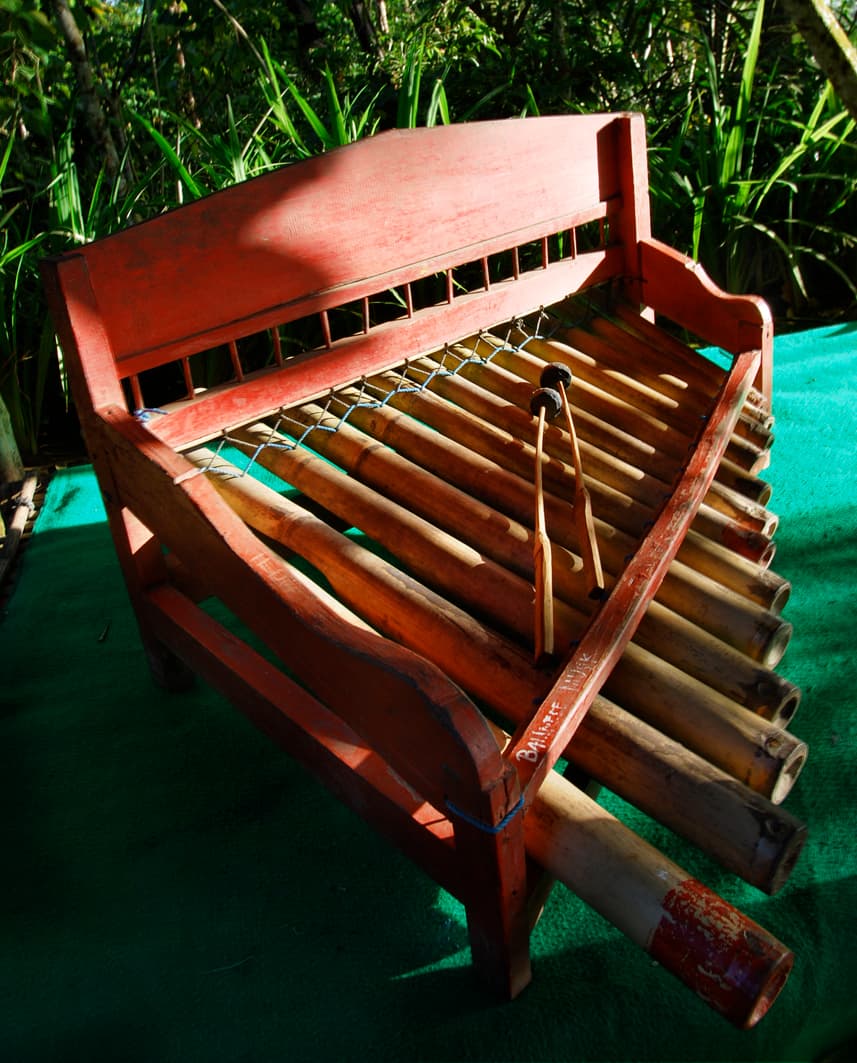
Kintamani (Bali)
- Altitude
- 1,100–1,500 m
- Harvest
- May · Jun · Jul · Aug · Sep · Oct
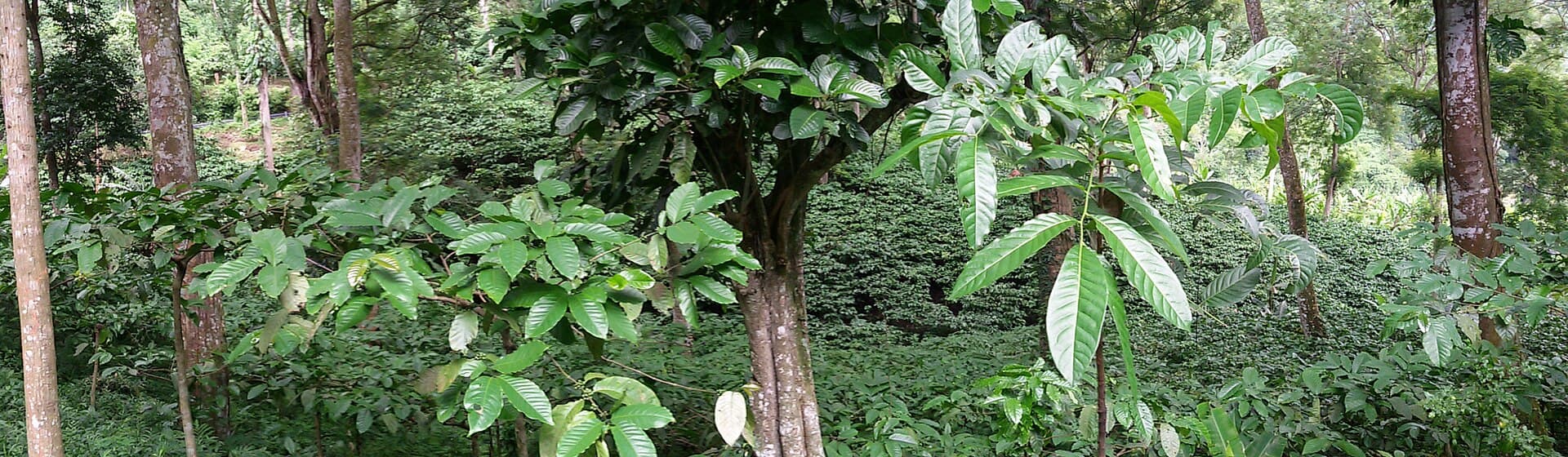
Lintong (North Sumatra)
- Altitude
- 1,100–1,500 m
- Harvest
- Jan · Feb · Mar · Oct · Nov · Dec
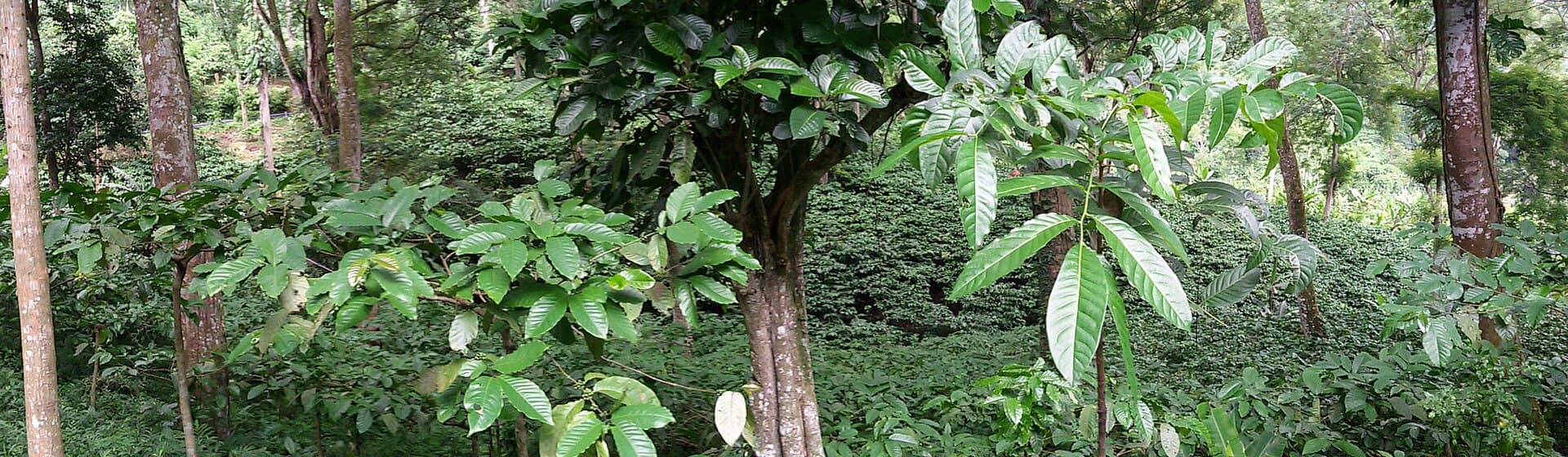
Toraja (Sulawesi)
- Altitude
- 1,100–1,800 m
- Harvest
- May · Jun · Jul · Aug · Sep · Oct
From the dex
- #040Gayo Wet-Hulled CatimorGayo (Aceh) · Indonesia
- #041Gayo Organic TypicaGayo (Aceh) · Indonesia
- #042Lintong Mandheling Timor HybridLintong (North Sumatra) · Indonesia
- #043Lintong Batak Highlands CatimorLintong (North Sumatra) · Indonesia
- #044Java Ijen Estate TypicaJava · Indonesia
- #045Java Old Brown BourbonJava · Indonesia
- #046Toraja Kalossi TypicaToraja (Sulawesi) · Indonesia
- #047Toraja Sapan Honey CatimorToraja (Sulawesi) · Indonesia
- #048Kintamani Subak BourbonKintamani (Bali) · Indonesia
- #049Bajawa Ngada Natural CaturraBajawa (Flores) · Indonesia