Process type
Wet-hulled
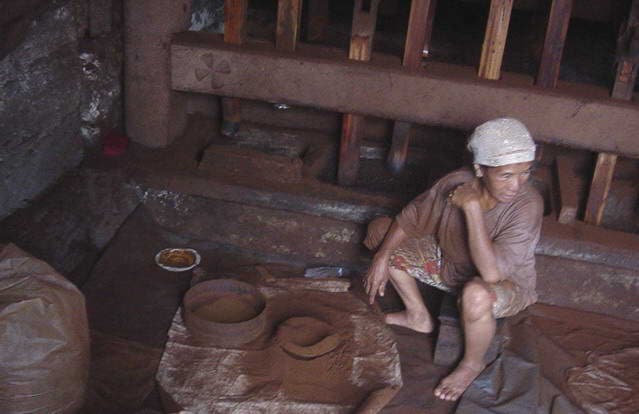
Giling basah, the traditional Indonesian method where the parchment is hulled off while the bean is still damp, then drying finishes on the bare bean.
How it tastes
Full body, low acidity, earthy, cedar and savoury notes.
The story
Wet hulling, giling basah in Indonesian, grew out of Sumatra's climate and its smallholder economy. In the humid highlands around Lake Toba and in Aceh, fully drying coffee inside its parchment shell can take weeks the weather rarely grants. Farmers instead pulp and briefly dry their coffee, then sell it onward while still moist. Local collectors hull the parchment off at roughly twice the moisture content any other process would allow and finish drying the naked green bean.
Exposed to air and sun without its protective shell, the bean darkens to the jade-green colour Sumatra is known for and takes on the style's signature cup: weighty, low-slung acidity, earth, cedar, tobacco and spice. For decades the trade treated this as a defect-prone shortcut, but the profile became beloved in its own right, and wet-hulled Mandheling and Gayo coffees are now sought precisely for the flavours the method creates.