Process type
Washed
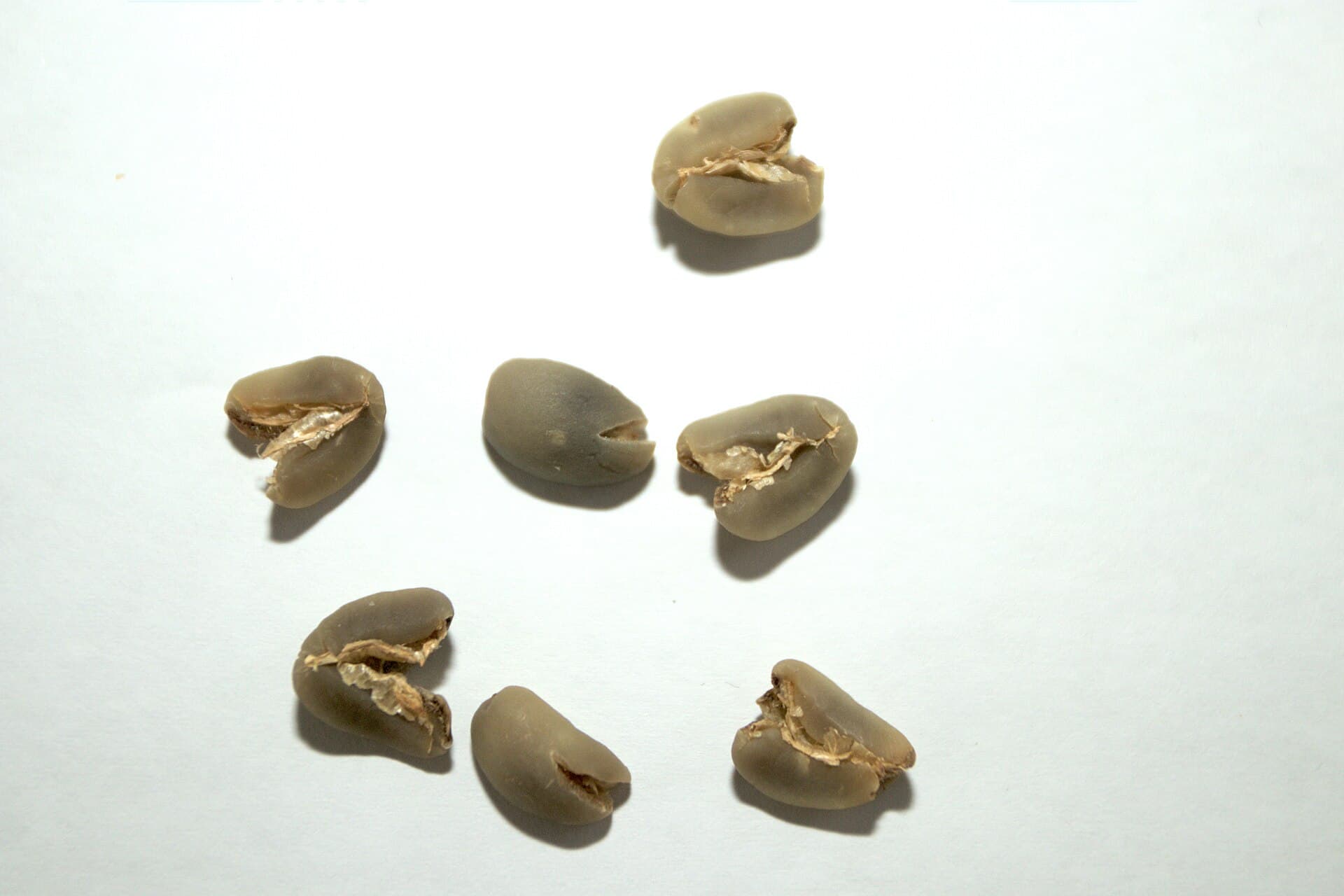
The fruit and sticky mucilage are removed from the bean before drying, usually after a short fermentation in tanks. With the fruit stripped early, the cup leans on the bean's intrinsic origin character.
How it tastes
Clean, bright, high clarity; crisp acidity; origin-forward.
The story
Washing coffee is a child of the colonial plantation era. As coffee spread from Yemen through the Caribbean and into Latin America in the 1700s and 1800s, growers in wetter climates needed a way to dry beans before the fruit rotted around them. The answer was to pulp the cherry soon after picking, let a short natural fermentation loosen the sticky mucilage, then wash it away and dry the clean bean in its parchment shell. Mechanical pulpers in the nineteenth century turned this into an industrial standard.
The method became the backbone of the "mild arabica" trade. Colombia, Central America, Kenya and Ethiopia's washed lots built their reputations on the clarity it gives: with the fruit gone early, nothing masks the character of the seed itself, so altitude, soil and variety speak clearly. That is why washed coffees are still the reference point cuppers use to understand an origin.
The trade-off is resources. Traditional washing uses a lot of water, so modern mills increasingly use eco-pulpers and mechanical demucilagers that get the same clean result with a fraction of it.
Coffees of this type
- #001Huila Pitalito WashedHuila · Colombia
- #002Huila Pink BourbonHuila · Colombia
- #003Nariño La Esperanza WashedNariño · Colombia
- #005Cauca Tierradentro WashedCauca · Colombia
- #006Cauca Geisha WashedCauca · Colombia
- #009Antioquia Jericó WashedAntioquia · Colombia
- #010Santander Mesa Shade-Grown WashedSantander · Colombia
- #011Sierra Nevada Organic WashedSierra Nevada de Santa Marta · Colombia
- #021Mogiana Red Bourbon WashedMogiana · Brazil
- #024Chapada Diamantina Washed CaturraChapada Diamantina · Brazil
- #031Jaen Highlands TypicaCajamarca · Peru
- #032Cajamarca Red BourbonCajamarca · Peru
- #033Rodriguez de Mendoza CaturraAmazonas · Peru
- #035Lamas Selva AltaSan Martin · Peru
- #037Chanchamayo ClassicJunin · Peru
- #038La Convencion BourbonCusco · Peru
- #039Sandia Valley TunkiPuno · Peru
- #044Java Ijen Estate TypicaJava · Indonesia
- #045Java Old Brown BourbonJava · Indonesia
- #048Kintamani Subak BourbonKintamani (Bali) · Indonesia