Process type
Anaerobic
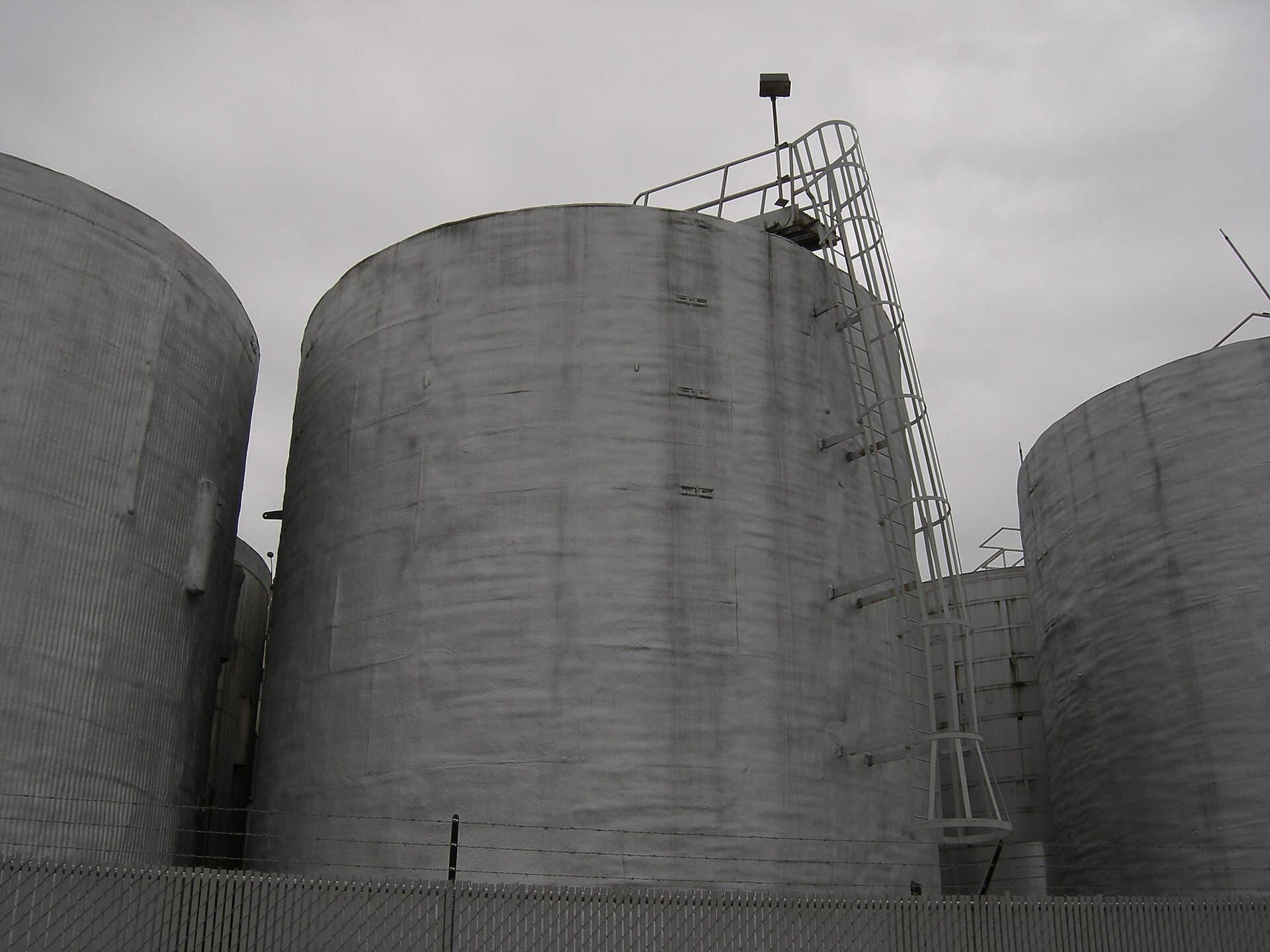
Cherries or beans ferment in sealed, oxygen-free tanks, letting controlled microbial activity build unusual aromatics before drying. A modern, deliberate technique.
How it tastes
Intense and distinctive; cinnamon, spice, tropical fruit, funk.
The story
Anaerobic fermentation is the specialty era's laboratory experiment, barely a decade old as a named style. The idea came from winemaking: seal the fruit in tanks, purge or exclude oxygen, and a different community of microbes takes over the fermentation, producing aromatics that open-air tanks never do. Carbonic maceration, the technique behind Beaujolais wine, entered coffee vocabulary in the mid-2010s and competition coffees made with it began winning world barista titles.
Producers from Costa Rica to Colombia to Ethiopia now run sealed ferments with the discipline of brewers, tracking temperature, pH and time, sometimes adding cultured yeasts. The results are polarising and unmistakable: cinnamon and boozy tropical fruit, sweets-shop aromatics, textures that read more like cocktails than coffee. For the dex it is the wild-card type, the one that shows how much of flavour is made after picking.