Origin
Mexico
Green coffee / year
194,470 t’24
World rank
#12
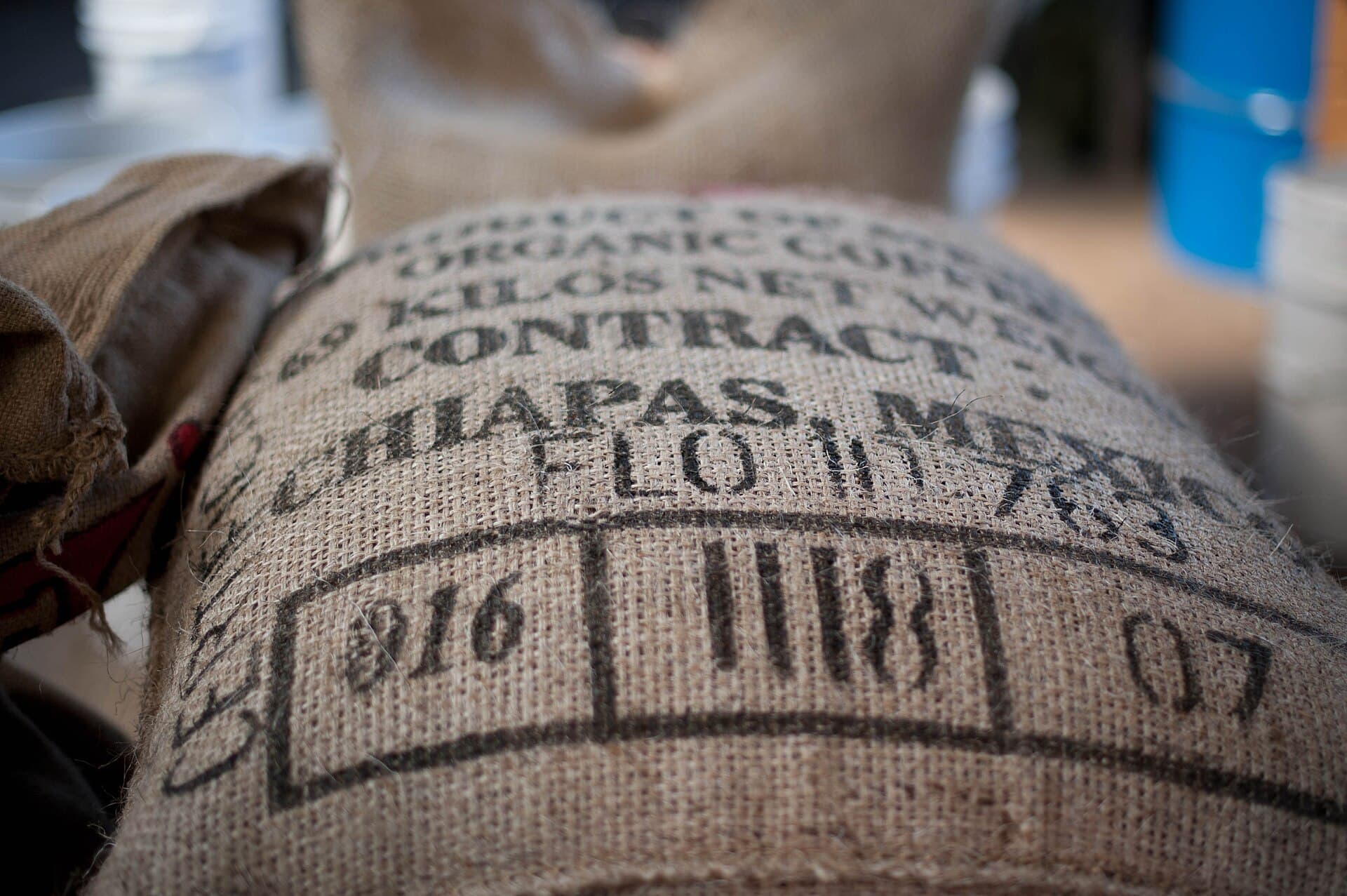
Coffee reached Mexico in the late 18th century via the Caribbean and spread through the southern states over the following century. Unlike many origins dominated by a handful of large estates, Mexican coffee is grown by an enormous number of indigenous and mestizo smallholders, most farming plots of only a few hectares, making Mexico home to more coffee farmers than almost any other country.
The main growing states are Chiapas, bordering Guatemala and home to the Soconusco region as well as the Chiapas highlands, Veracruz (notably around Coatepec), Oaxaca and Puebla. Arabica dominates, grown mostly as Typica and Bourbon-derived varieties under shade, and organic certification is unusually widespread given the low-input, traditional farming practised by many smallholders.
The classic Mexican cup is mild and clean, light to medium in body, with gentle acidity and nutty, cocoa-toned sweetness, making it a longstanding workhorse in blends as well as a source of distinctive single-origin lots. Since 2012 the industry has been repeatedly tested by outbreaks of coffee leaf rust (roya), which hit yields hard across the region and forced many farmers to replant with rust-resistant varieties.
Production since 2000
Regions
This origin isn't fully charted yet, an undiscovered entry. Its regions and coffees are coming.