Origin
Guatemala
Green coffee / year
224,860 t’24
World rank
#11
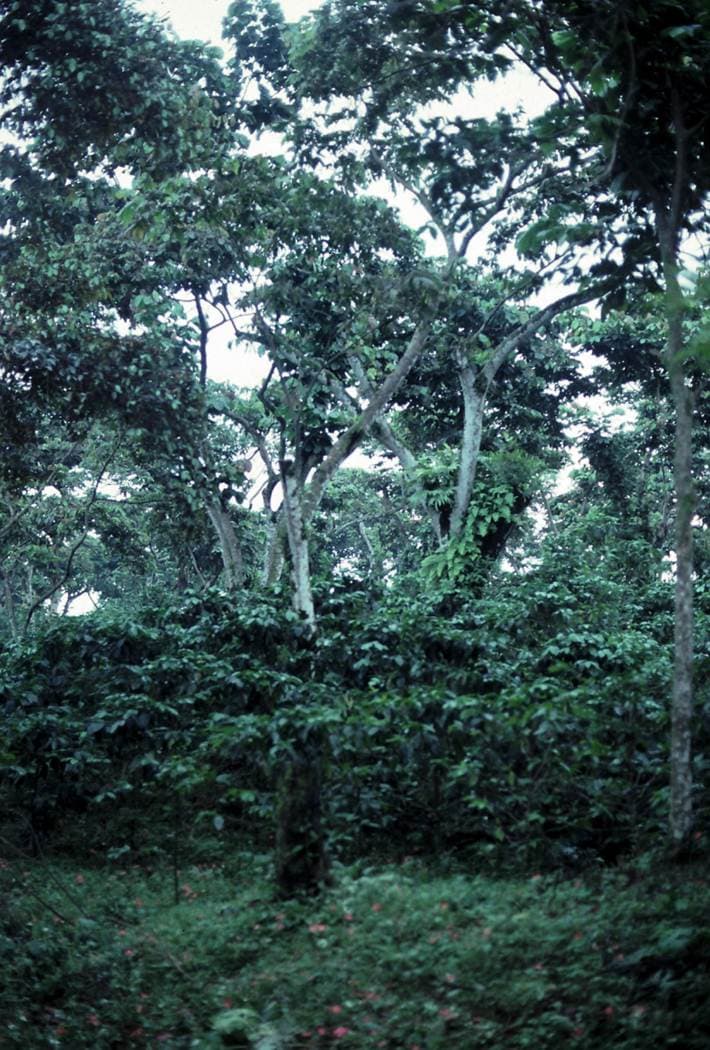
Coffee was introduced to Guatemala in the 18th and 19th centuries and rapidly became the country's dominant export after the market for cochineal dye, its previous major crop, collapsed. Volcanic terrain running the length of the country creates an unusually wide range of microclimates within a small area, and this variation became the basis for Guatemala's coffee identity.
The industry recognises eight distinct growing regions: Antigua, Huehuetenango, Coban (Alta Verapaz), Atitlan, Fraijanes, Acatenango, Nuevo Oriente and San Marcos, each shaped by its own combination of altitude, volcanic soil and rainfall. Antigua, ringed by three volcanoes, is famous for a smoky, spicy balance, while Huehuetenango, sheltered by mountains from cold fronts, produces some of the country's highest-altitude, brightest-acid coffees.
Production is a mix of smallholder farms and larger estates, growing washed arabica varieties such as Bourbon, Caturra and Catuai. The resulting cup is typically well-rounded, with chocolate, spice and red fruit notes carried by a bright, clean acidity, a combination that has kept Guatemala firmly among the world's most respected specialty origins.
Production since 2000
Regions
This origin isn't fully charted yet, an undiscovered entry. Its regions and coffees are coming.